
The Best Travel Hacks Frequent Travelers Swear By
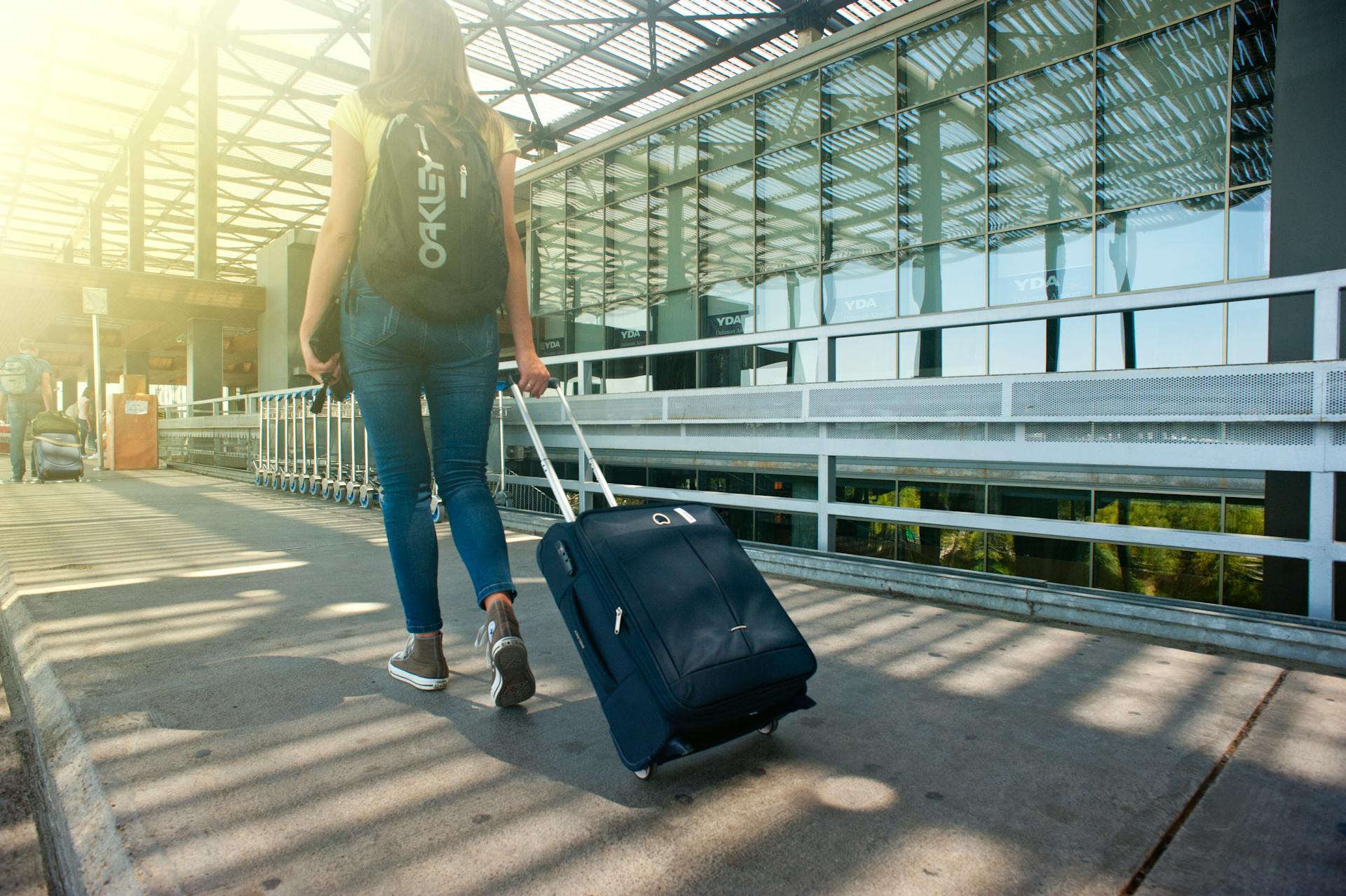
Frequent travelers often rely on practical strategies that make journeys smoother, more affordable, and less stressful. From packing efficiently to booking flights at the right time, small habits can significantly improve the overall travel experience. Cultural Creatives focus on meaningful experiences, flexible planning, and smarter ways to explore destinations without unnecessary complications. Techniques such as using digital travel tools, traveling light, and researching local customs in advance help save both time and money. This article explores some of the most effective travel hacks experienced travelers consistently use to make every trip more convenient and enjoyable.
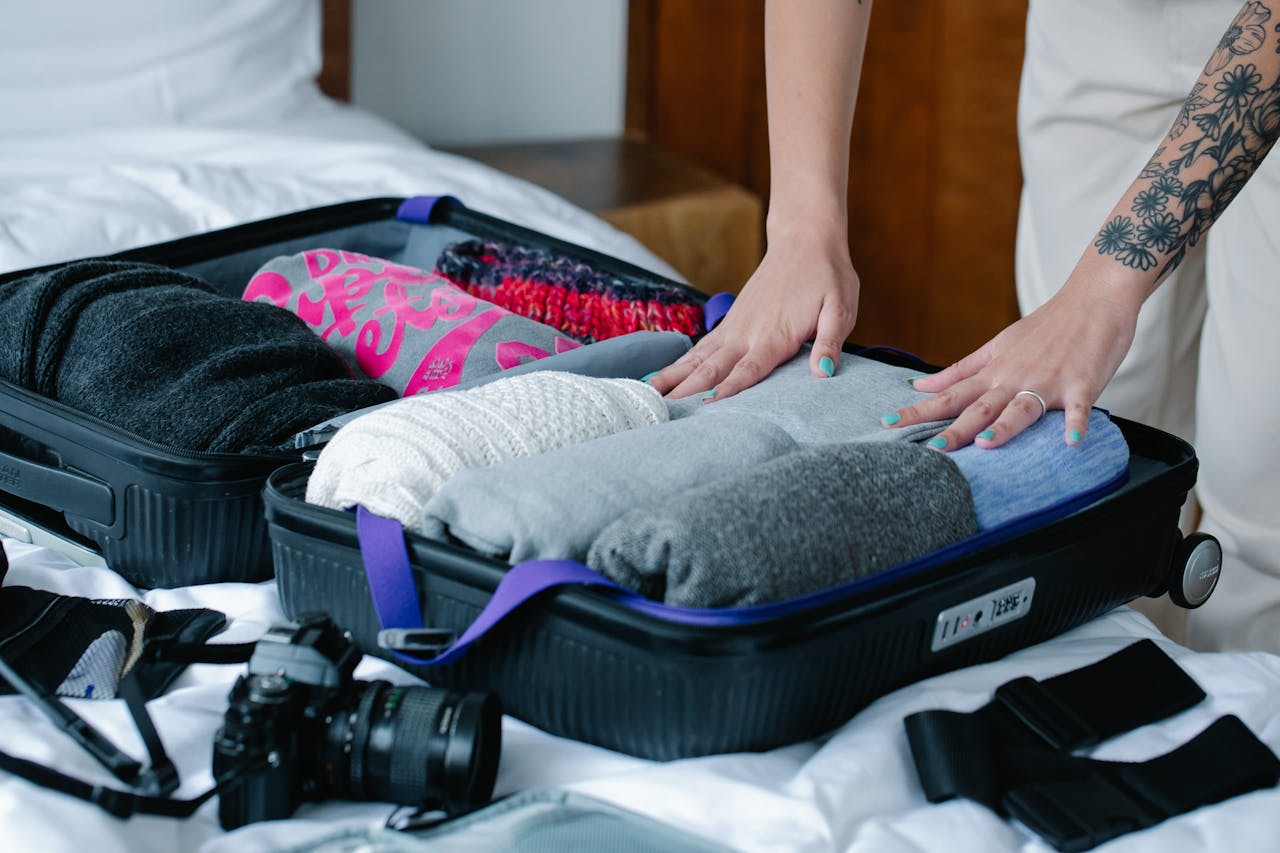
Packing Smarter Instead of Packing More
One of the most common travel hacks involves simplifying luggage and packing more strategically. Frequent travelers often prioritize versatile clothing, organized compartments, and lightweight essentials to avoid carrying unnecessary items. Efficient packing reduces stress during airport transfers, hotel changes, and daily movement between locations. It also minimizes the risk of baggage delays or extra luggage costs. Organized packing systems help travelers access essential items quickly without having to unpack entire bags repeatedly. This approach improves convenience while making travel more flexible and manageable.
Using Flexible Scheduling to Save Money
Experienced travelers understand that flexibility with dates and travel times can significantly reduce costs. Flights and accommodations often vary in price depending on demand, season, and timing. Adjusting departure days or avoiding peak travel periods may lead to lower overall expenses. Flexible scheduling also creates more options when dealing with delays or itinerary changes. Instead of building rigid plans, frequent travelers leave room for adjustments that improve both affordability and convenience throughout the trip.
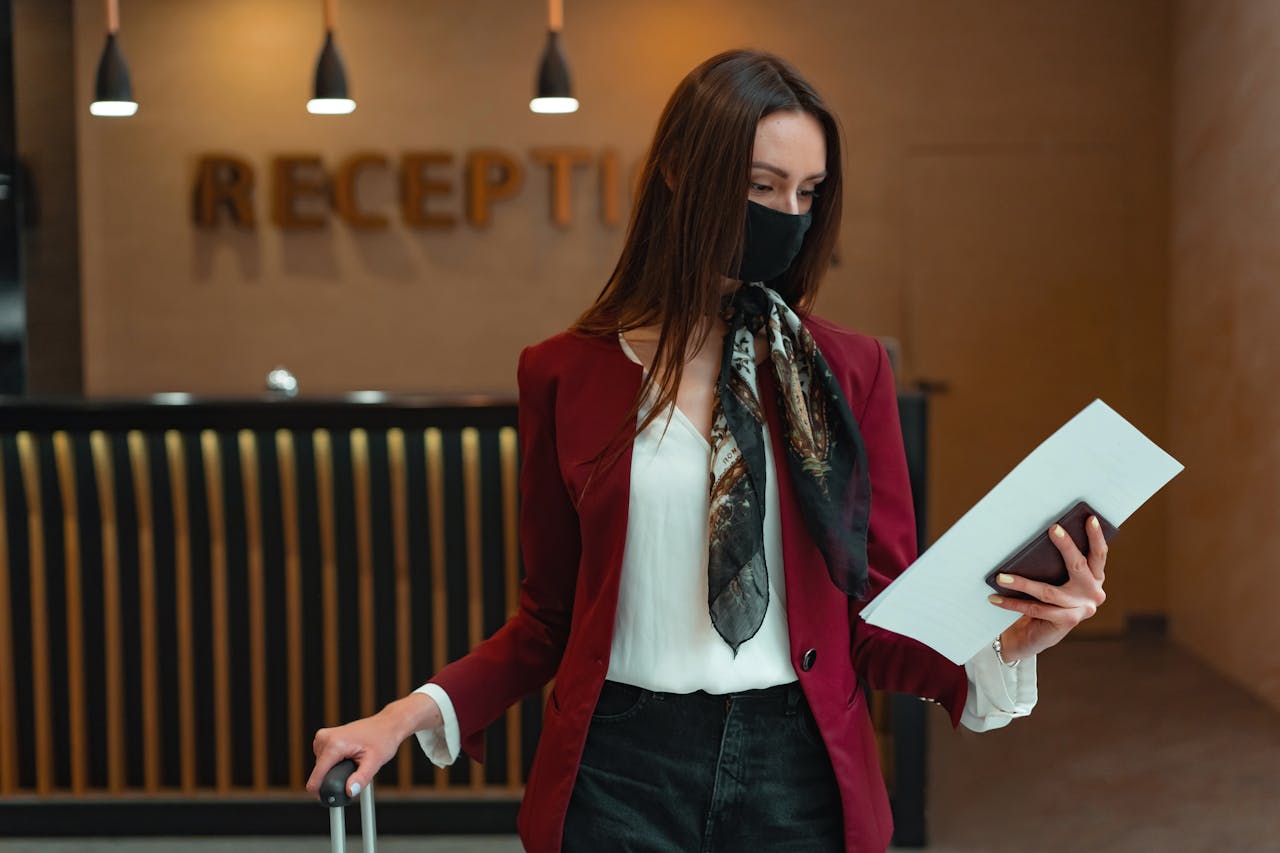
Keeping Important Information Easily Accessible
Organization is another major habit shared by experienced travelers. Important travel documents, booking confirmations, identification details, and transportation information are usually kept in easily accessible formats. This reduces confusion during check-ins, border crossings, or schedule changes. Many travelers also prepare backup copies of essential documents in case of loss or technical issues. Staying organized helps avoid delays and allows smoother navigation through airports, hotels, and unfamiliar destinations. Simple preparation often prevents problems that can interrupt travel experiences.
Prioritizing Comfort During Long Travel Periods
Frequent travelers often focus on maintaining comfort during flights, road trips, or long transit periods. Small adjustments, such as staying hydrated, dressing comfortably, and planning rest periods, can significantly improve the overall travel experience. Comfort-based habits help reduce fatigue and make it easier to adapt to changing schedules or environments. Experienced travelers also tend to plan downtime rather than overload itineraries with constant movement. This balance supports better energy management throughout the trip.

Learning Basic Local Knowledge Before Arrival
A useful travel habit is learning basic information about a destination before arriving. Understanding transportation systems, local customs, and common communication practices can reduce confusion and improve confidence while traveling. Frequent travelers often research practical details rather than rely solely on spontaneous decisions upon arrival. Familiarity with basic local information helps travelers move more efficiently and avoid unnecessary mistakes. This preparation contributes to smoother experiences in unfamiliar environments.
The best travel hacks used by frequent travelers focus on smart packing, flexible scheduling, organization, comfort, and destination preparation. These strategies improve efficiency, reduce stress, and help travelers manage both time and expenses more effectively. Rather than depending on complicated techniques, experienced travelers often rely on simple habits that make trips smoother and more enjoyable. Understanding these approaches highlights how preparation and adaptability contribute to better travel experiences overall.